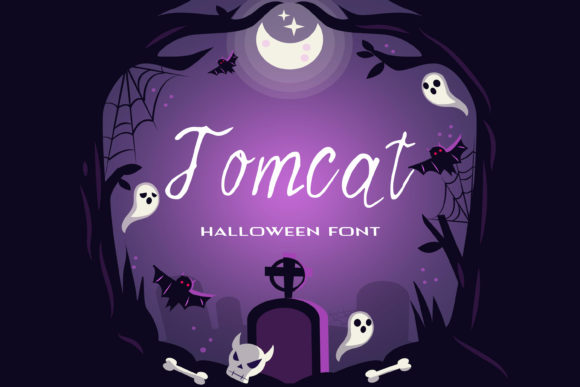
Tomcat: A Handwritten Font for Elegant Web Design
As a web designer, I'm always on the lookout for fonts that can add a touch of elegance and personality to my projects. Recently, I had the opportunity to test Tomcat, a premium script font, in a real website layout. The results were nothing short of stunning.
First Impressions with Tomcat in a Hero Section
My first test was using Tomcat in the hero section of a boutique online store. The fluid, handwritten style of Tomcat immediately caught the eye, making the headline feel personal and inviting. The font's elegant curves and flowing lines gave the page a sophisticated yet approachable vibe, perfect for a high-end but welcoming brand.
Responsive Readability and Visual Hierarchy
One of the key considerations for any web font is how it performs across different devices and screen sizes. I tested Tomcat on both desktop and mobile screens, and it held up beautifully. On larger screens, the font's intricate details and graceful flow were fully appreciated. On smaller screens, while some of the finer details were less visible, the overall readability remained strong, thanks to its clear and well-spaced characters.
- Desktop: The font's elegance and detail shine through, making it ideal for impactful headlines and call-to-action areas.
- Mobile: The font maintains its readability, though I recommend using it sparingly to avoid overwhelming small screens.
Using Tomcat in Different Web Elements
Tomcat is versatile enough to be used in various web design elements, from headers and hero sections to buttons and decorative accents. Here’s how it performed in different parts of the website:
- Headers and Hero Sections: As mentioned, Tomcat excelled in these areas, adding a touch of sophistication and personality to the site. It worked particularly well for the main headline, drawing the user's attention and setting the tone for the rest of the experience.
- Buttons and CTAs: For buttons and calls-to-action, I found that Tomcat added a unique and memorable touch. However, I recommend using it for larger, more prominent buttons to ensure readability and impact.
- Decorative Accents and Logos: Tomcat's handwritten style made it an excellent choice for decorative elements and logos. It added a personal and handcrafted feel, enhancing the brand's identity and making it stand out.
Font Pairing and Brand Consistency
To maintain a balanced and professional look, I paired Tomcat with a clean sans serif font for body text and secondary headings. This combination allowed the handwritten elegance of Tomcat to take center stage while ensuring that the overall design remained readable and accessible. Some of the best sans serif fonts to pair with Tomcat include Roboto and Open Sans.
For a more editorial or traditional feel, you could also consider pairing Tomcat with a simple serif font like Merriweather. This would create a classic and refined look, suitable for a blog or a portfolio site.
Real-World Examples and Practical Advice
In my project, I used Tomcat for the main headline of a creative portfolio site, as well as for the call-to-action buttons on a course sales page. The font's elegant and flowing style perfectly complemented the creative and professional nature of the content, making the pages feel both inviting and high-quality.
Here are a few practical tips for using Tomcat in your web designs:
- Use Sparingly: While Tomcat is beautiful, it's best used in moderation. Overuse can make the design feel cluttered and hard to read, especially on smaller screens.
- Check Readability: Always test the font on different backgrounds and screen sizes to ensure it remains legible. Avoid using it for long paragraphs or dense information.
- Consider Webfont Formats: Make sure to check the available webfont formats (e.g., WOFF, WOFF2) and include them in your project to ensure fast loading and compatibility.
- Commercial Licensing: Before using Tomcat on client projects or commercial websites, verify the licensing terms to ensure you have the right to use it for those purposes.
Overall, Tomcat is a fantastic addition to any web designer's toolkit. Its elegant and flowing style can elevate a wide range of digital projects, from creative portfolios to boutique online stores. Just remember to use it thoughtfully and in combination with more readable fonts to create a balanced and engaging user experience.