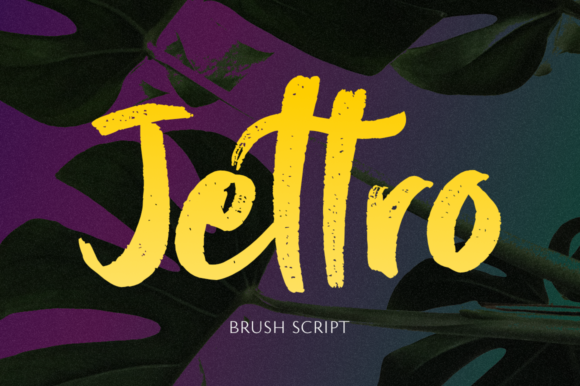
Jettro: A Handwritten Font for Editorial Charm
As I sat down to redesign the header of my lifestyle blog, I found myself in a familiar predicament: choosing the perfect font. The right typeface can make or break the visual appeal and readability of any publication. After some exploration, I stumbled upon Jettro, a handwritten font that brings an authentic brush feel to any design project.
A Brush with Authenticity
Jettro is more than just a font; it's a statement. With its flowing, hand-drawn lines, it exudes a sense of spontaneity and creativity. This premium font is ideal for projects that require a personal touch, such as t-shirts, posters, branding, and advertising. Its unique character makes it stand out, adding a layer of personality to any design.
Editorial Appeal and Versatility
One of the standout features of Jettro is its versatility. In my blog redesign, I used Jettro for the main header, and it immediately transformed the look and feel of the site. The font's rhythm and flow create a welcoming and engaging atmosphere, perfect for a lifestyle blog. It also works beautifully for article titles, where it can draw the reader's eye and set the tone for the content.
For a recent recipe ebook, I incorporated Jettro into the cover design and chapter openers. The font's playful yet elegant style complemented the casual, homey vibe of the recipes. It added a touch of whimsy without overwhelming the practical content of the ebook.
Supporting Visual Hierarchy and Readability
While Jettro is a fantastic choice for titles and headings, it's important to consider its use in different contexts. For instance, in a digital magazine layout, Jettro can be used for section headings and pull quotes, creating a clear visual hierarchy. However, for body copy and longer reading, a more readable serif or sans serif font would be more appropriate. Pairing Jettro with a clean, legible font like Lora or Montserrat can create a balanced and harmonious design.
When designing a coaching workbook, I used Jettro for the cover text and section headings. The font's expressive nature made the workbook feel approachable and inspiring, while the body text remained easy to read with a simple sans serif font.
Practical Considerations and Licensing
Before using Jettro in your editorial designs, it's essential to check the included styles, alternates, ligatures, and weights. Jettro offers a range of options to customize and fine-tune your typography, making it a valuable asset for creative projects. Additionally, ensure that the font supports the languages you need, as multilingual support can be crucial for international publications.
It's also important to verify the commercial font licensing before using Jettro in ebooks, templates, printables, paid newsletters, client publications, or digital downloads. Proper licensing ensures that you can use the font legally and ethically, maintaining the integrity of your brand and publications.
Conclusion
Jettro is a versatile and charming handwritten font that can add a unique and personal touch to a wide range of editorial and publishing projects. Whether you're redesigning a blog header, creating a recipe ebook, or building a coaching workbook, Jettro can help you achieve a visually appealing and engaging design. Just remember to pair it with a readable font for body text and check the licensing details to ensure seamless integration into your creative work.